 comparison
Time4Learning Alternatives for Australian Families 2026
Table of Contents
- Quick Comparison: Time4Learning Alternatives for Australian Families
- How to Choose an Australian Curriculum Homeschool Program
- Homeschooling Registration Requirements by State: What Your Platform Must Support
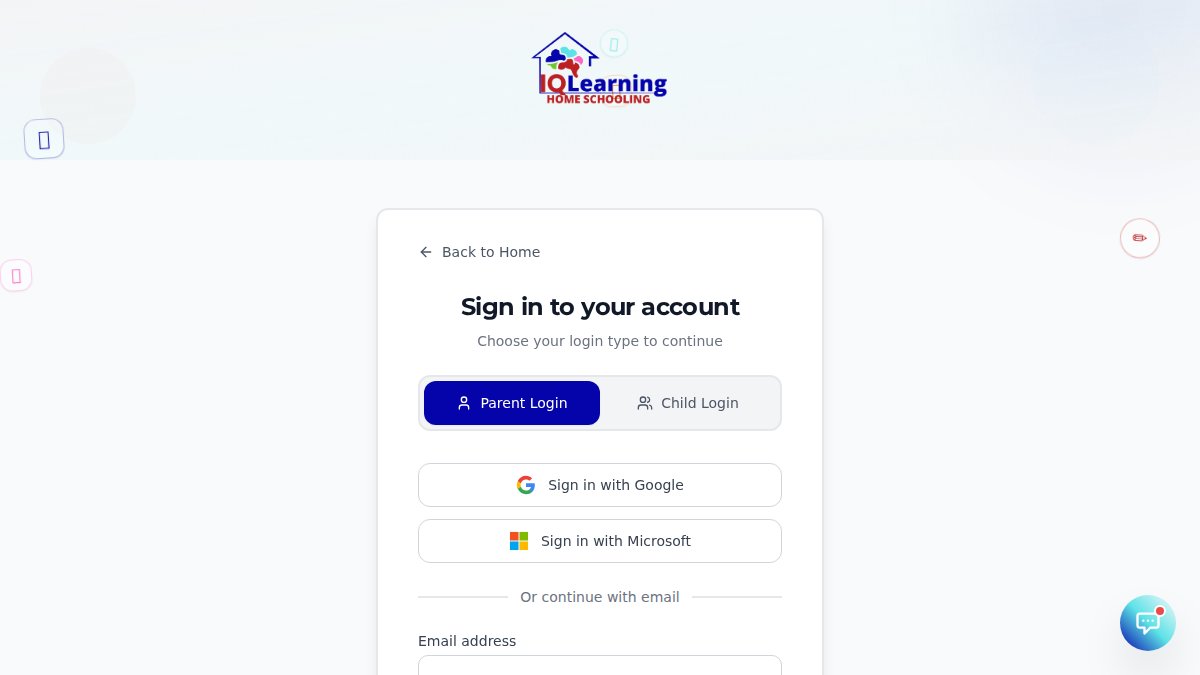
- IQ Learning: AI-Assisted Learning for Home Education
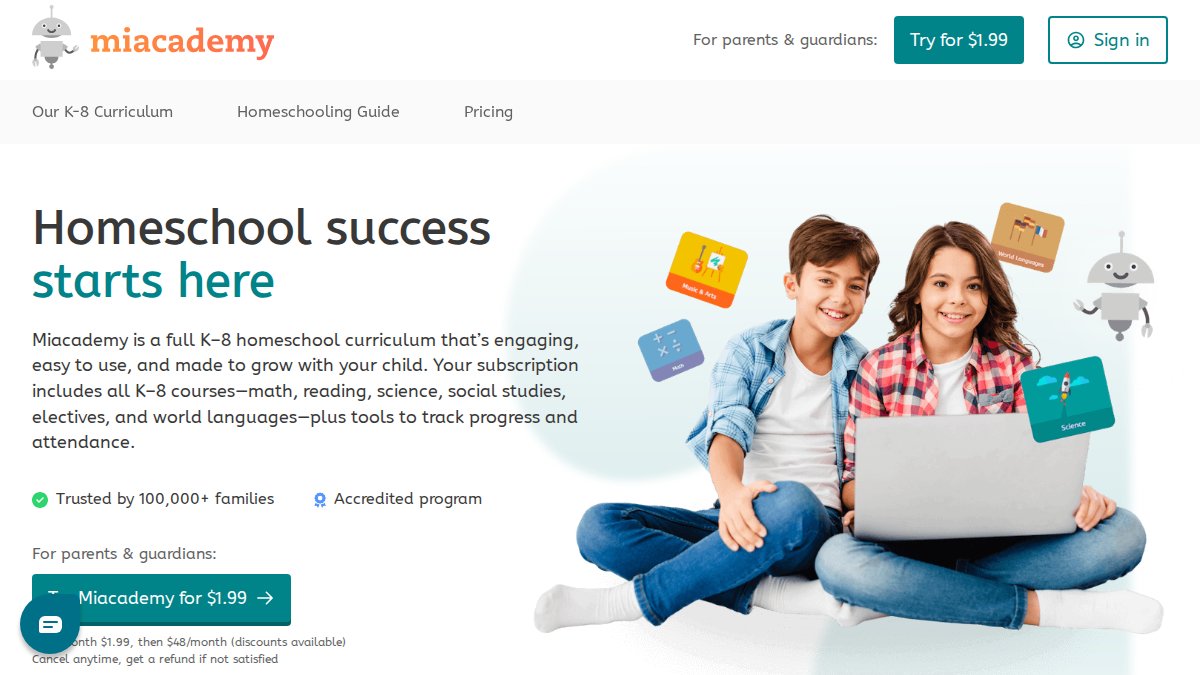
- Miacademy: Gamified, All-in-One Digital Curriculum
- Khan Academy: The Free, Mastery-Based Option
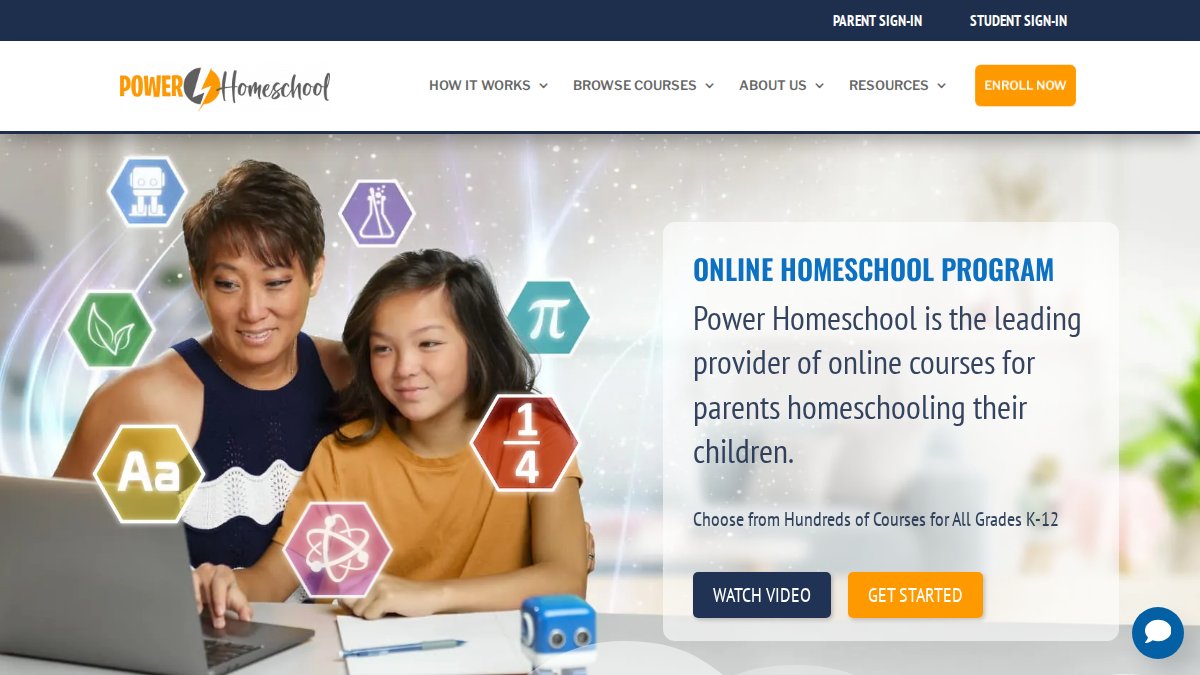
- Power Homeschool: Structured, Video-Based Learning
- Which Time4Learning Alternative Fits Your Family?
- Frequently Asked Questions
Last Updated: September 29, 2026
Quick Comparison: Time4Learning Alternatives for Australian Families
Families searching for Time4Learning alternatives want a structured digital curriculum that fits an Australian school year. This guide from IQ Learning Australia covers five options, from free mastery platforms to AI-assisted learning.
| Platform | Best For | Pricing Model | Australian Curriculum Fit |
|---|---|---|---|
| IQ Learning | AI-assisted personalised learning | Subscription, see site | Built for local learners |
| Miacademy | Gamified all-in-one curriculum | Subscription per student | Partial, US-aligned |
| Khan Academy | Free mastery-based supplement | Free | Partial, maths strong |
| Power Homeschool | Structured video-based learning | Subscription, contact for pricing | US-aligned |
How to Choose an Australian Curriculum Homeschool Program
Choosing a program starts with four decisions: whether you need an accredited curriculum, whether your child thrives with structure or flexibility, the total cost in Australian dollars, and whether the platform works on your internet connection.

Accredited vs non-accredited curriculum: what parents need to know
An accredited curriculum is recognised by an official body as meeting a defined standard; a non-accredited curriculum is one a parent assembles, which may still be excellent but carries no formal recognition.
Flexible vs structured learning models
Structured models follow a set sequence: lesson, quiz, next lesson. Flexible models let students jump between topics and set their own pace.
The real cost in Australian dollars
Most comparisons quote US pricing and leave you the conversion, but the sticker price is rarely the total cost. Add up these before you commit:
- Subscription cost, converted. A US$48-per-month plan is not AU$48. The exchange rate moves, and card providers add a foreign transaction fee, commonly around 3%. Budget in AUD at the current rate.
- Per-student vs per-family pricing. Some platforms charge per child, some per household. For three children, a per-student plan can cost three times a per-family plan.
- Annual vs monthly billing. Annual plans discount the monthly rate but lock you in, if the platform does not suit your child, you have paid for a year of something you will not use.
- Supplementary costs. A US-aligned platform usually means buying extra resources to cover the Australian Curriculum areas it misses, workbooks, a languages program, a technologies kit.
- Your time. If a platform does not export registration-ready records, you are paying in hours at review time.
Offline and low-bandwidth accessibility
Almost no comparison covers this, and it matters enormously for rural and remote families: a platform that streams video for every lesson will fail you on a bad day. Ask these questions before you commit:
- Does it work offline? Some platforms let you download lessons; most do not. If your connection drops regularly, offline capability is not a nice-to-have.
- How much data does it use? Video-heavy platforms chew through a monthly allowance quickly, especially with multiple children. Check for a low-bandwidth or text-and-image mode.
- Does it degrade gracefully? A well-built platform saves progress locally and syncs when the connection returns; a poorly built one loses the lesson.
- Is there a mobile app? A phone or tablet on a mobile network can be a workable backup when the home connection is down.
Putting the four criteria together
Score each platform against all four: curriculum fit, learning model, total AUD cost, and connection resilience. One that wins on three but fails the fourth, usually cost or connectivity, is not right for your family, however good it looks in a feature table.
Homeschooling Registration Requirements by State: What Your Platform Must Support
Registration requirements vary by state and territory, and your platform must support whatever your authority asks for: evidence of planning, delivery, and progress. A generic 'homeschooling is legal in Australia' answer is useless on an application form.
Who regulates home education in each jurisdiction
Home education is a state and territory responsibility, not a federal one. The authority you deal with depends on where you live:
- New South Wales, the NSW Education Standards Authority (NESA) registers home schooling under the Education Act 1990 (NSW). You apply, then work to an approved individual education plan.
- Victoria, the Victorian Registration and Qualifications Authority (VRQA) handles home schooling registration under the Education and Training Reform Act 2006 (Vic).
- Queensland, the Queensland Curriculum and Assessment Authority (QCAA) is the home education registration body under the Education (General Provisions) Act 2006 (Qld).
- Western Australia, the Department of Education (WA) moderates home education programs, with a strong emphasis on the Western Australian Curriculum.
- South Australia, the Department for Education (SA) registers home education under the Education and Early Childhood Services (Registration and Standards) Act 2011 (SA).
- Tasmania, the Tasmanian Home Education Advisory Council (THEAC) is the registration and support body.
- The ACT, the ACT Education Directorate registers home education under the Education Act 2004 (ACT).
- The Northern Territory, the NT Department of Education registers home education under the Education Act 2015 (NT).
What authorities actually ask for
Most jurisdictions want evidence of four things:
- A learning plan covering the required learning areas for your child's year level.
- Delivery records, what was actually taught, when, and by what method.
- Progress evidence, samples of work, assessment results, or reports showing movement over time.
- A nominated supervisor, usually the parent, who is responsible for the program.
Some authorities also require a minimum number of days or hours per year, and some require notification before you begin. Confirm current requirements with your authority before you apply.
Where a US-aligned platform leaves gaps
This is the practical problem with Time4Learning and other US-built platforms: they are not designed around any Australian registration framework, so the evidence they generate does not map cleanly onto what an authority expects. Three friction points recur:
- Learning-area coverage. Authorities expect the eight Australian Curriculum learning areas (English, Mathematics, Science, Humanities and Social Sciences, The Arts, Technologies, Health and Physical Education, and Languages). A US platform may cover maths and English well but leave Technologies or Languages thin, and you fill those gaps yourself.
- Year-level mapping. US grade levels do not line up with Australian year levels. A US 'Grade 5' is not automatically 'Year 5' in every subject, and the mismatch shows up in your learning plan.
- Reporting format. US platforms typically report in their own format, percentages, badges, completion rates. Australian authorities often want a narrative or portfolio-style record tied to learning areas. You end up translating.
What to look for in a platform's compliance support
When you evaluate any platform, ask these four questions before you pay:
- Does it let you export progress records in a format you can attach to a registration or review submission?
- Does it map content to the Australian Curriculum learning areas, or only to its own internal sequence?
- Can you add your own evidence, photos of hands-on work, excursion notes, reading logs, alongside the platform's records?
- Does it let you adjust the year level per subject, so you can match your child's actual placement rather than a rigid grade?
The record-keeping shortcut
A spreadsheet-first approach collapses here: lesson plans in one document, assessment records in another, progress notes elsewhere, then reconstructing a coherent submission the week before your review.
IQ Learning: AI-Assisted Learning for Home Education
AI-assisted learning means the platform adapts content and pacing to the individual student, then shows the parent what changed and why. IQ Learning is the strongest option for families who want that personalisation without building it themselves.
Pros:
- Built for local homeschooling families rather than adapted from a US product
- AI-powered personalisation and progress tracking in one dashboard
- Interactive quizzes and video lessons cover delivery and assessment together
Cons:
- Pricing is not published on this page, so you will need to check the site for current plans
- As a newer platform, it has less third-party review history than established names
Miacademy: Gamified, All-in-One Digital Curriculum
Miacademy wraps a full curriculum in a gamified environment, with interactive video lessons, social features, and customisable paths.
Pros:
- Modern video content across core subjects
- Family discounts and annual plans reduce the per-student cost
- Customisable paths for individual learning needs
Cons:
- Higher monthly cost than drill-based platforms
- US-aligned content, so you will need to supplement for local curriculum coverage
Khan Academy: The Free, Mastery-Based Option
Khan Academy is a non-profit offering free video lessons and practice exercises, with a mastery system that tracks progress as students demonstrate understanding. Its mathematics coverage is the standout, and it works on mobile and web.
Pros:
- No cost to access
- Mastery-based approach is well suited to mathematics
- Broad coverage across maths, science, and humanities
Cons:
- No all-in-one planning, grading, or record-keeping
- Content is not mapped to the Australian Curriculum
Power Homeschool: Structured, Video-Based Learning
Power Homeschool delivers a structured, video-based curriculum from kindergarten to year 12, built on the Acellus learning system. Most assignments are graded automatically, cutting the administrative load considerably.
Two caveats: pricing requires contacting the provider directly.
Pros:
- Automated grading for most assignments
- Clear, linear progression through course material
- Full-year access across multiple subjects
Cons:
- Video content feels less modern than gamified competitors
- Pricing is not published, so budgeting takes an extra step
Which Time4Learning Alternative Fits Your Family?
The right platform comes down to three questions: does it fit your child's learning style, does it support your registration requirements, and does it reduce your workload rather than add to it.
Frequently Asked Questions
What is better than Time4Learning for Australian curriculum alignment?
Platforms built around the Australian Curriculum are better suited than Time4Learning, which follows US standards. IQ Learning, for example, provides AI-assisted learning for home education with progress tracking that maps to Australian learning outcomes. Miacademy offers a broad international curriculum but lacks state-specific registration support. Khan Academy is free and strong for maths mastery but is not a full curriculum. Check that any platform you choose can produce reports aligned to your state or territory authority's requirements.
How do I choose an online homeschool platform that meets state registration requirements?
Start by checking your state or territory education authority's registration conditions, which typically require evidence of a planned educational program, regular assessments, and records of progress. Ask providers whether they issue reports aligned to the Australian Curriculum and whether they support parent-led or teacher-led models. IQ Learning's learning analytics and personalised learning plans can help you document progress. Khan Academy offers free progress tracking but no formal reporting. Power Homeschool provides automated grading, though its content is US-based.
Does Centrelink provide financial assistance for homeschooling?
Centrelink does not pay a specific homeschooling allowance. However, families may still qualify for payments such as the Family Tax Benefit or Carer Allowance if eligibility criteria are met, regardless of schooling method. Some states offer a small annual allowance for approved home education, but amounts and rules vary. Contact Services Australia or your state education authority to confirm what you can claim. Choosing a lower-cost platform like Khan Academy (free) can reduce overall expenses if budget is tight.
What are the best budget-friendly homeschooling options for Australian families?
Khan Academy is completely free and covers maths, science, and humanities with mastery-based progress tracking. IQ Learning is subscription-based; check their website for current rates. Miacademy and Power Homeschool are also subscription-based; check their websites for current rates. For a cost-benefit analysis in AUD, compare the subscription fee against the cost of tutors, printed resources, and your own time. Many families combine a free core like Khan Academy with a paid platform for subjects needing more structure.
Homeschooling works best when the platform carries the admin load, not you. If spreadsheets, scattered lesson plans, and manual progress notes are eating your evenings, IQ Learning is built to take that over: AI-powered personalised learning plans, interactive quizzes and video lessons, and a parent dashboard with learning analytics that tracks progress automatically. Get started with IQ Learning and spend your time on the learning, not the logging.